How 3D printing is changing the aerospace industry
Topic
The aerospace industry has always been at the forefront of innovation and technology, and 3D printing in aerospace is no exception.
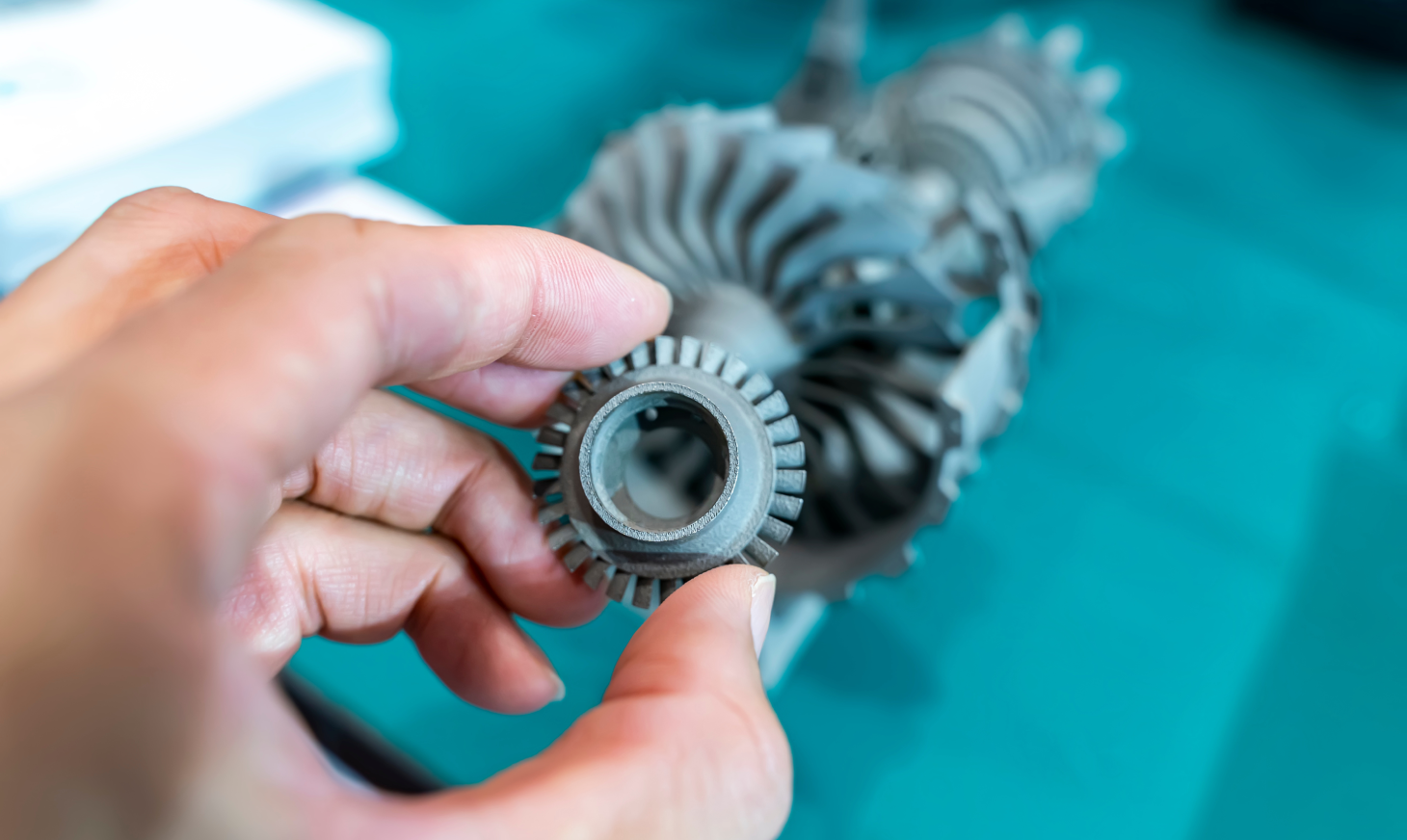
Also known as additive manufacturing aerospace, this technology is revolutionising aircraft production by delivering faster, more cost-effective solutions for manufacturing high-performance components. In this article, we explore how 3D printing is reshaping the aerospace industry and the impact it is having across aircraft design, production, and maintenance.
Reduced Weight and Improved Performance
One of the most significant advantages of 3D printing in aerospace is its ability to produce lightweight aircraft components without compromising strength or performance. Traditional manufacturing methods such as forging and casting often create parts that are heavier than required. By contrast, additive manufacturing aerospace enables engineers to produce highly complex geometries that reduce weight while maintaining structural integrity.
These aerospace 3D printed parts contribute to improved fuel efficiency, increased aircraft range, reduced emissions, and enhanced operational performance, making them particularly valuable for both commercial aviation and defence applications.
Faster Prototyping and Production
Another major benefit of rapid prototyping aerospace is the ability to accelerate product development. Engineers can design, print, and evaluate components within hours rather than waiting weeks or months for conventional manufacturing processes.
This significantly shortens development cycles, allowing manufacturers to validate designs more quickly, improve product quality, and bring new aerospace technologies to market faster.
Lower Costs
3D printing in aerospace also helps reduce manufacturing costs. Traditional production methods often require expensive tooling, moulds, and specialised equipment before production can begin. By eliminating much of this tooling, additive manufacturing aerospace reduces upfront investment while making low-volume production economically viable.
For an aerospace component manufacturer, this flexibility also lowers inventory requirements, as parts can be produced on demand rather than stored in large quantities.
Improved Maintenance and Repair

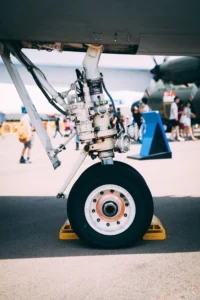
Aircraft maintenance depends on the rapid availability of replacement components. Using aerospace 3D printed parts, maintenance teams can manufacture replacement parts more quickly, reducing aircraft downtime and improving operational efficiency.
In addition, 3D printing in aerospace enables the production of customised replacement components that precisely match the original design, reducing repair costs while maintaining high safety and quality standards.
New Possibilities for Design and Functionality
Perhaps the greatest advantage of additive manufacturing aerospace is the freedom it gives engineers to rethink component design. Complex internal structures, lattice geometries, and integrated assemblies that would be difficult—or impossible—to manufacture using conventional methods can now be produced efficiently.
This design freedom allows every aerospace component manufacturer to develop more innovative, lighter, and higher-performing products that improve aircraft efficiency and reliability.
The Future of 3D Printing in Aerospace
It is clear that 3D printing in aerospace is transforming the industry through lightweight aircraft components, rapid prototyping aerospace, lower manufacturing costs, and more efficient maintenance processes. As additive manufacturing technologies continue to advance, we can expect even greater innovation in materials, production methods, and aircraft design, helping the aerospace industry deliver safer, more efficient, and more sustainable aircraft for the future.